

Harness CEO Jyoti Bansal’s love affair with building startups
Share!


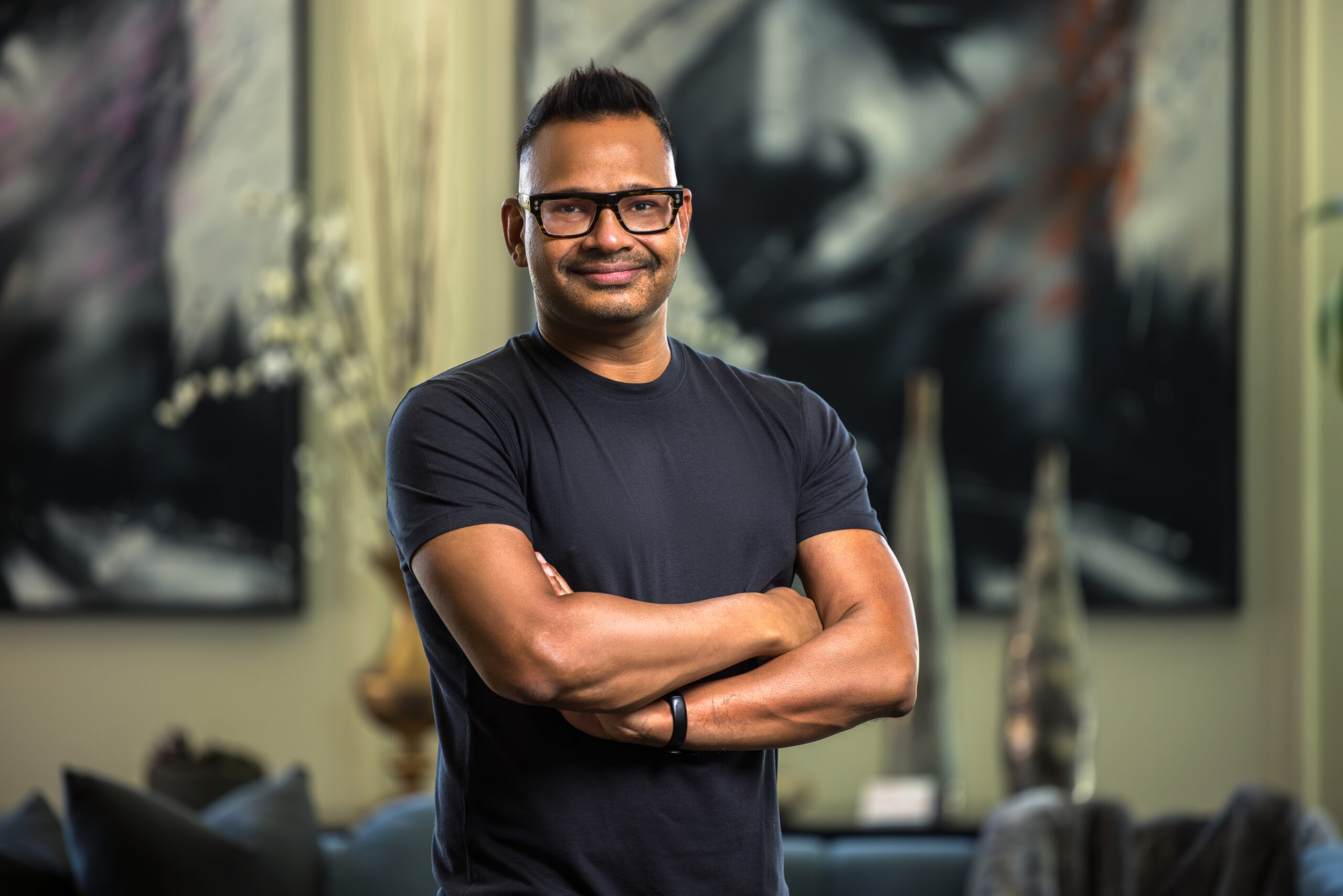
Harness CEO Jyoti Bansal has always loved being a founder. It doesn’t hurt that he sold his first startup AppDynamics to Cisco for $3.7 billion in 2017, the same week the company was set to go public. Even with a mega exit under his belt, he didn’t slow down much. After taking a little time to travel and see the world, he launched Harness just nine months later.
At around the same time, flush with cash from the AppDynamics sale, he founded BIG Labs, a startup studio, and Unusual Ventures, an early-stage VC firm. By 2020, he’d launched yet another startup, security company Traceable. When I asked him at the time why he kept launching startups, he said it’s about figuring out what you enjoy doing. “What I realized is that building companies is what I enjoy.”
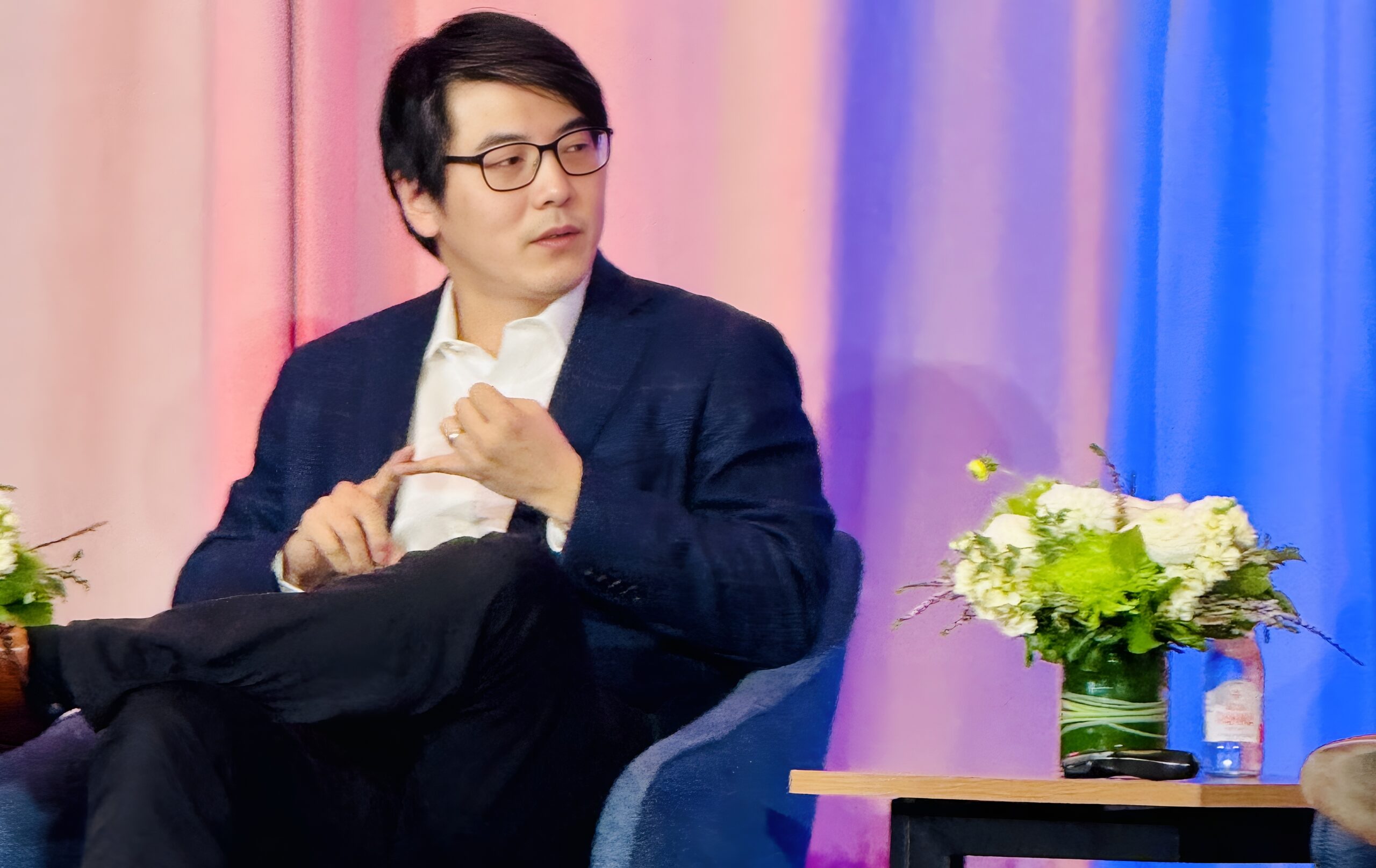
I recently caught up with him at a company event in Boston and asked him if he still had that startup itch. He still does, but instead of launching a bunch of new companies, he channels a lot of that energy into the way he structures Harness.
Keeping up the startup mentality
Harness is currently made up of 15 modules that each act as quasi-independent entities. Examples include cloud cost control, continuous delivery, chaos engineering and feature flags. Each one is developed by its own team, and while they are all interoperable, customers can use them independently without being locked into the Harness stack.
“If I was starting Traceable now, I would have just launched it inside Harness because now I have this startup-within-a-startup infrastructure,” Bansal told FastForward. In fact, Traceable merged with Harness in March this year. CNBC reported that the combined companies could reach more than 1000 employees, $250 million in revenue in 2025 and a valuation approaching $5 billion.
So in this startup-within-a-startup model, you can innovate at low cost and still take plenty of risks.
He says that Harness launches two or three startups a year within its modular structure, each beginning with a small team of four or five people in the ideation stage. If the idea shows promise, he rewards the team with additional funding and employees to continue working on it. If it’s successful, eventually it will be launched as part of the overall Harness product offerings. He noted that AI has cut the number of engineers required for a new project, making the process even lower risk.
As an example, the company recently started working on an AI cost-optimization module, which is modeled after the cloud cost-optimization module, to help control the spending related to using AI tools, which can get expensive pretty quickly.
He views the modules at different growth stages much like a venture capitalist would in that he has stealth, seed stage, early stage and late stage pieces in his company.
Staying open
Another advantage of being modular, besides that flexibility to build new pieces internally, is that it lets the company work with other platforms including startups, even some they may compete with. The goal is always to maintain a reasonable level of interoperability with other products and services.
“So we have always believed in the open ecosystem concept,” he said. "Everything plugs into the ecosystem. It’s really up to the customer if they want to buy our stuff [or our competitors],” he said. This approach brings a level of flexibility to everything they do, whether building, buying or partnering.
Getting Harness products to work consistently with external products is not always a simple matter though. A large company may make Harness do the work, while a smaller startup may be more willing to work with them to get access to that group of common customers. Sometimes they will buy the startup if it fits in with the company. In fact, six of the 15 modules have been acquired.
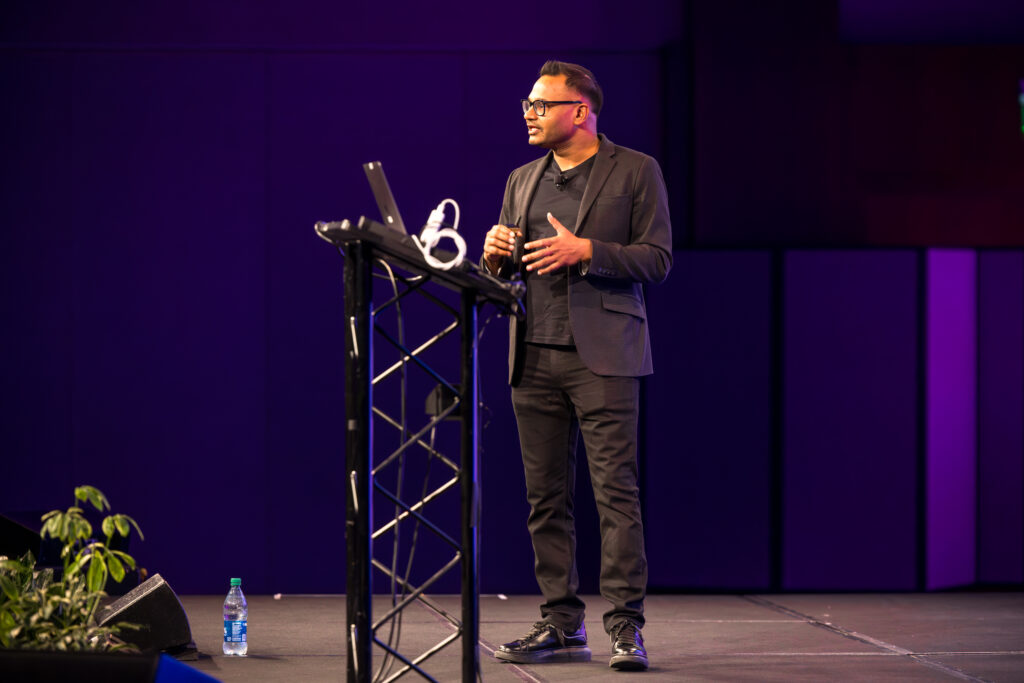
This year, in addition to the merger with Traceable, the company bought AI security startup Qwiet AI. Each time they acquire a company, they incorporate the team, usually a small group of employees, and then integrate the company’s product into the platform.
“We normally re-engineer their product to become part of our platform to become one integrated experience with the right kind of controls and governance and quality standards and enterprise readiness,” he said, while still letting them operate as a stand-alone product.
All of this supports Bansal’s vision of building a platform that meets developers’ changing needs, while keeping a startup mentality. “So in this startup-within-a-startup model, you can innovate at low cost and still take plenty of risks,” he said. “The advantage is, whenever new [things] pop up in our ecosystem, we can keep funding these small, low-cost startups, and with AI, those costs get even lower.”
Featured photo courtesy of Harness.