

The new CIO asked one crucial question that helped refocus this Fortune 100 company

Share!


When Kristie Grinnell stepped in as CIO of TD Synnex, a global IT distributor, earlier this year, she arrived just as AI was reshaping the way every organization operates. She needed a clear picture of where the company was and where it needed to go, so she kicked off her tenure with a listening tour.
“We are a global technology distributor, one of the largest in the world, and we work with technology vendors to understand their product set,” Grinnell told FastForward. The firm buys huge volumes of hardware, software and cloud services, then packages them so smaller IT partners can sell and support that technology for customers.
To get people talking, she opened each meeting with the same question: “If I had a magic wand and I could grant you a wish, what would that wish be?” It quickly exposed the real friction points and what employees wished they could change.
TD Synnex is big, complex and spread across the world, and she spent her first months figuring out how the pieces fit. “So I’ve been trying to really understand the company and the regional differences, the differences in our lines of business and our different line cards, the differences in vendors that we deal with, the differences in the customers we deal with and the employee cultural differences around the world,” she said.
What she found is that like any large organization there are pain points aplenty and it’s her job to understand what they are and try to fix them. She recognizes that AI can help solve some of those problems, but can create an entirely different set along with them. She led a global digital transformation effort in her prior job before joining TD Synnex, so she knows what she’s up against and what she needs to do to keep the company moving forward, from untangling operational friction to aligning a global workforce around new technology.
Identifying the problems
It's a given that implementing widespread change at a large organization like TD Synnex was going to be a challenge because of the sheer size and scale of the company. In lieu of a magic wand, she needed a firm grasp on how technology could help solve some of the issues facing the organization.
She began to see some recurring themes when it came to the kinds of problems people were reporting. “I started to really feel where the opportunities and the pain is for our company in asking that [magic wand] question,” she said.
It's so interesting because, especially with AI, more than any other technology, this is the one where I want startups to knock on my door
She discovered that communication across regions and departments was a major challenge. There were also misconceptions about technology systems, with many people thinking they were different across the firm, even though the systems are actually quite streamlined. Additionally, she noticed a contradictory pattern where some projects were completed very quickly and efficiently, while others seemed to disappear into a black hole. Grinnell wanted to reduce the black holes, improve communication and make it easier to get work done.
How AI can help
When you’re leading IT at a firm as operationally complex as this one, it seems like one that could benefit from AI to help solve some of the problems it was facing. “Obviously IT is an area that's just ripe for AI and the benefits that it can bring,” Grinnell said. “There are a lot of processes that we have that AI can get in front of, not just to automate, but to predict and start to proactively solve problems.”
She says there are areas where they are taking advantage of generative and agentic AI today, like customer service bots or tedious tasks like writing a request for proposal, something they have to do all the time. She thinks some of the disillusionment we are hearing about around AI comes from unrealistic expectations like it’s going to replace whole departments overnight, and she doesn’t see it that way at all.
“We don't see it as agentic AI is going to replace all humans. We don't see it as this is the only way to productivity, but we see it as augmenting our workforce, as augmenting our productivity as we grow and as we go in the marketplace,” she said.
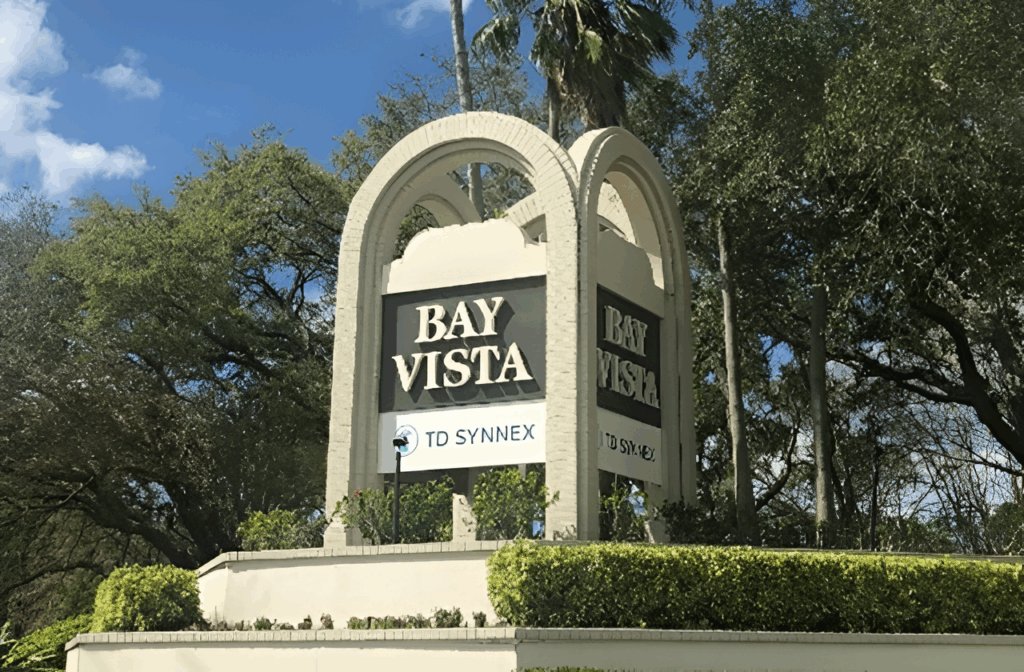
In addition, for a company that is selling a product called Destination AI, a combination of hardware and software to help resellers package and sell AI solutions, she says that it’s imperative they understand how it works. “There's just so many areas of opportunity that we're really looking forward to taking advantage of, and as we do that, start to be what I call a customer zero story,” she said. “If we get more efficient here, then we can help others become more efficient, but also just showcasing how AI can be used, which will be better for the supply chain overall.”
She also sees a big role for startups when it comes to AI. "It's so interesting because, especially with AI, more than any other technology, this is the one where I want startups to knock on my door," she said. "I want to hear the ideas. I want to see where you're going. I mean, we see new startups pop up every day in AI, and they're coming up with some really creative, great things.”
And as she settles further into the role of CIO and gains a deeper understanding of how the company works, she’s starting to see more clearly where technology can help most. That understanding is already shaping how she approaches the job.
Featured photo courtesy of TD Synnex.